
Building a remote-first company is not simply about allowing people to work from anywhere. It requires intentionally designing how teams collaborate, make decisions, and execute across continents. At InPlanet, being a remote-first company has been part of our operating model from day one. As a carbon removal company headquartered in Brazil and Germany, this approach allows us to scale science, field operations, and global coordination without slowing down execution.
We are a global team of 70+ people, with more than 70% of our international team based on the ground in Brazil, where our field operations, farmer partnerships, and real climate impact happen. Germany is equally foundational to our leadership, research coordination, and global integration. Our HQ is in the state of Sao Paulo and we have hubs in Rio de Janeiro, London and the US.
Being a remote-first company allows us to hire the best talent for the mission, not simply the best talent within commuting distance of an office. But I’m convinced this model only works when it is designed intentionally.
1. Autonomy Is Not a Perk. It’s the Engine.
In remote systems, you cannot manage by presence. You manage by outcomes. Decades of motivation research, including Ryan and Deci’s Self-Determination Theory, show that autonomy is a core driver of intrinsic motivation and sustained performance. When people truly own outcomes, they self-regulate differently. They move faster, think longer-term, and take greater responsibility.
Classic job design research by Hackman and Oldham similarly places autonomy at the center of experienced responsibility and motivation. That maps directly to how we describe culture at InPlanet: trust, urgency, impact. We give people the opportunity to work autonomously, and we expect them to drive.
The nuance is that remote work also changes incentive structures, and promotion dynamics can become more complex. Remote is not automatically better. Autonomy works, but only when paired with clarity. Clear expectations, clear ownership, and clear measures of success. Remote-first is not about flexibility. It is about responsibility.
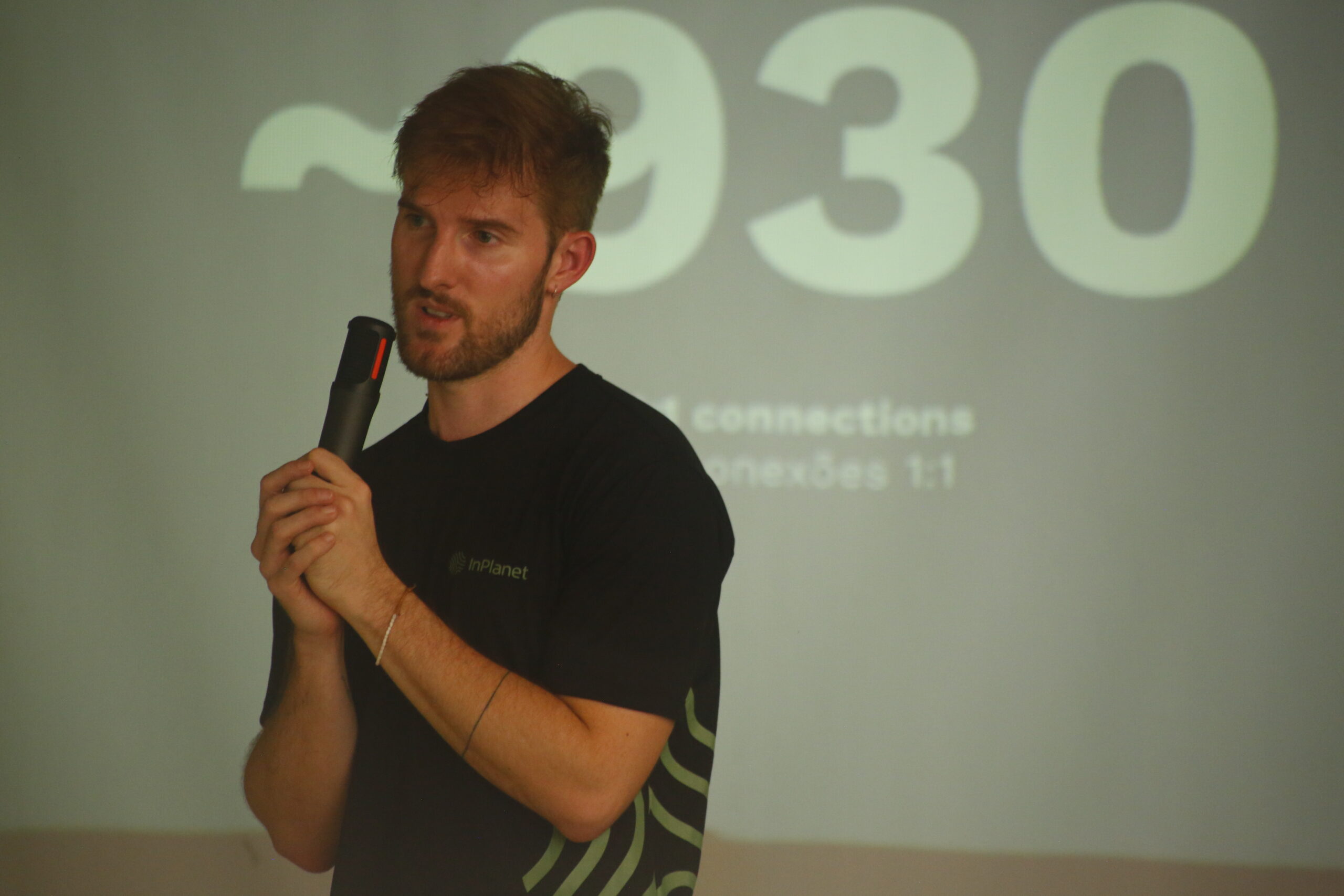
Image 1: Presenting how remote work operates at InPlanet and how our globally distributed team collaborates in practice.
2. Speed Requires Trust, And Trust Requires Design
There is a persistent myth that remote work automatically increases productivity. It can, but in my experience it can also fragment teams. Remote-by-default structures can make collaboration networks more static and siloed, with fewer bridging ties across groups. That matters. What also matters is that we started this design work from the very beginning of InPlanet. When I joined forces with the founders, my main responsibility was to set up a system that enables a truly global workforce. The secret is that before any people practice is implemented, you have to think in a remote-first setting. Every people practice needs to be tailored with that in mind, whether it is a recruitment strategy, our compensation philosophy, how we drive engagement, how we run town halls and communicate, how we recognize performance, or how we resolve conflicts.
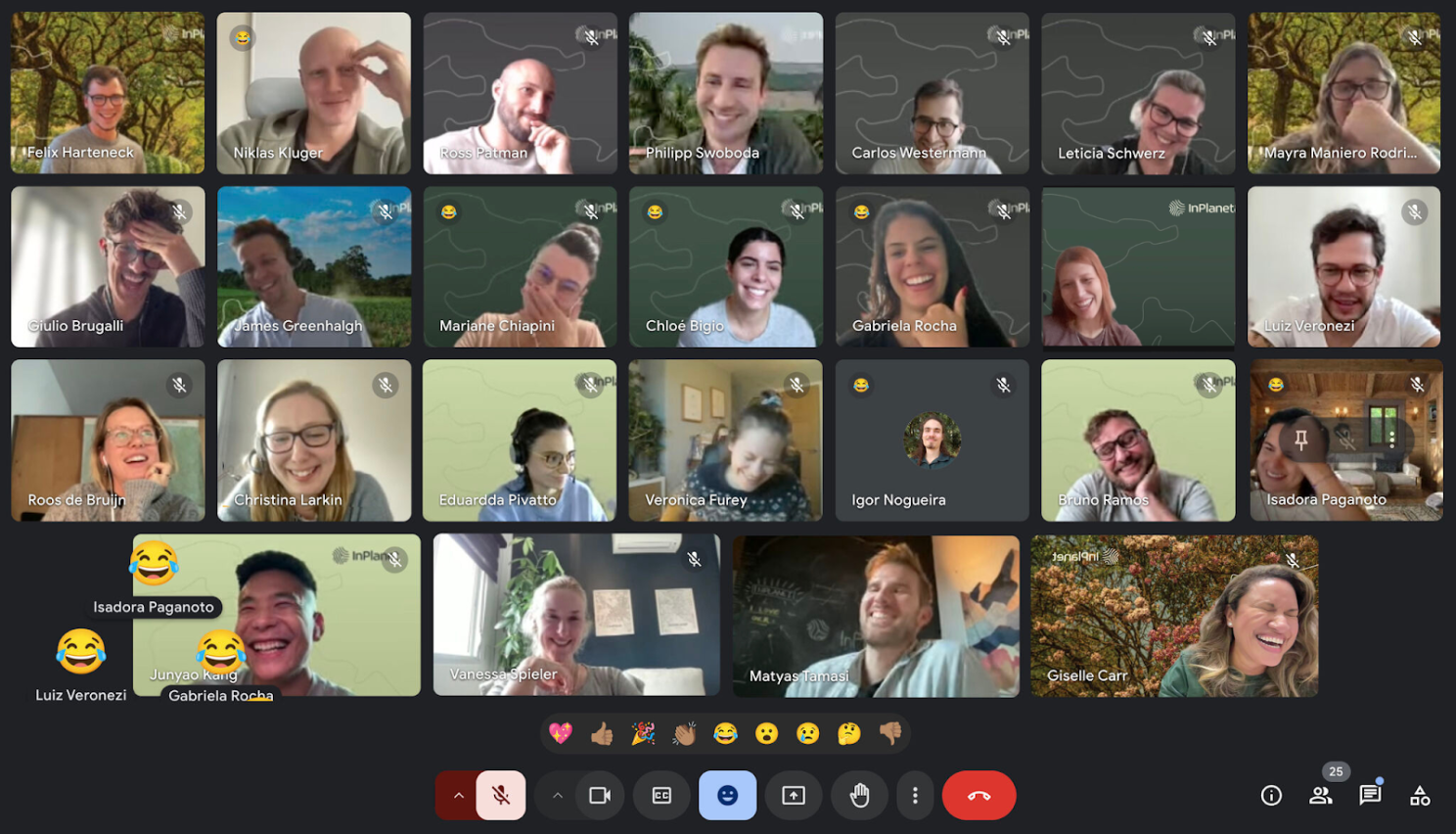
Image 2: Team meeting with colleagues connecting from multiple countries and time zones. For many professionals working abroad, collaboration happens daily through virtual calls like this.
You constantly need to ask yourself one simple question: would this work in a remote-first environment? And if not, what can I change about this practice to truly empower a distributed workforce? Will it be productive? Will it create clarity? Will it ensure fairness across geographies? Designing for remote-first is not an afterthought, it is a foundational principle that shapes how the entire organization operates. It is really fun and worth the effort!
To further strengthen our approach, we partnered with OpenOrg for additional support. Working with Adam and John was a real highlight, not only did we learn a tremendous amount from them, they are also genuinely great and fun people to collaborate with. Their guidance helped us sharpen our practices, and we are proud to have received their OpenOrg accreditation in 2025.
At InPlanet, to turn this philosophy into action, we rely on four core principles designed to actively prevent siloing:
- A clear operating cadence
- A Notion-centered digital operating system
- Time-zone alignment, hiring between UTC-4 and UTC+1 to ensure overlap and coordination
- Structured in-person touchpoints
Trust formation is more fragile at a distance. Face-to-face interaction uniquely supports social bonding and the informal connective tissue that makes distributed work function. Trust does not emerge automatically in Slack threads, so we have to build it deliberately.
3. Offsites Are Not Perks. They Are Infrastructure.
If remote work can increase siloing, then high-bandwidth, in-person moments are not optional. They are countermeasures. I see our offsites as core infrastructure. Fully remote teams can integrate knowledge less effectively on conceptual, high-context work, and innovation requires context. Context does not travel well through screens.
That is why we run:
- One global offsite per year (entire company)
- One divisional offsite per year (twice for teams larger than 20)
- Four leadership offsites per year, two in Brazil and two in Europe
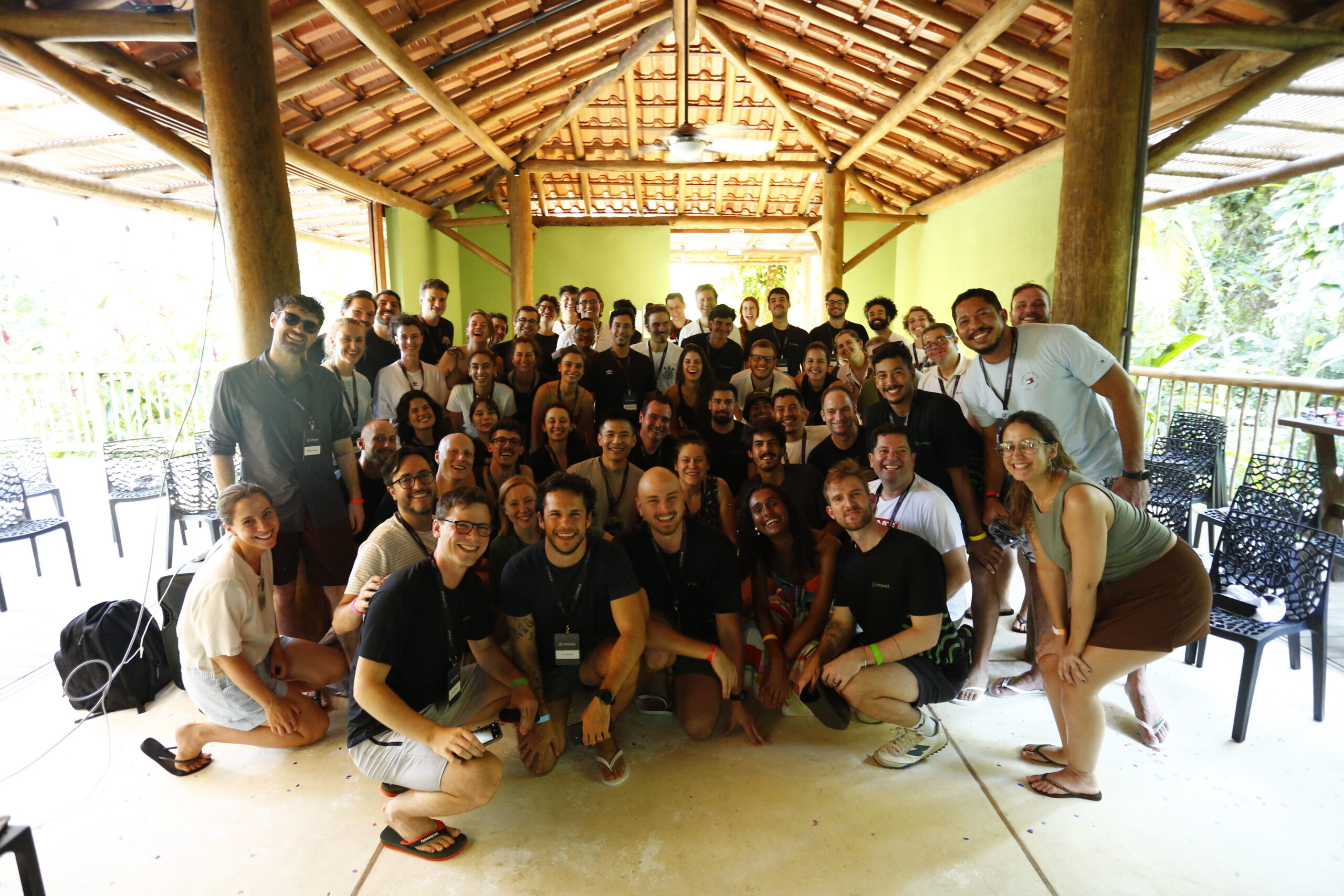
Image 3: Team InPlanet during our Global offsite in Ubatuba, Brazil, a few days of alignment, connection, and big ideas for the future.
At last year’s Global Offsite, many teammates met in person for the first time after months of intense collaboration. We achieved a 100% attendance rate and a satisfaction score of 9.5/10, results we are incredibly proud of. The improvement in alignment afterward was clear, with faster decisions, stronger cross-team coordination, and more shared clarity. If virtual teams are going to be truly effective, face-to-face time is essential for building cohesion and trust.
These are not retreats. They are execution infrastructure.
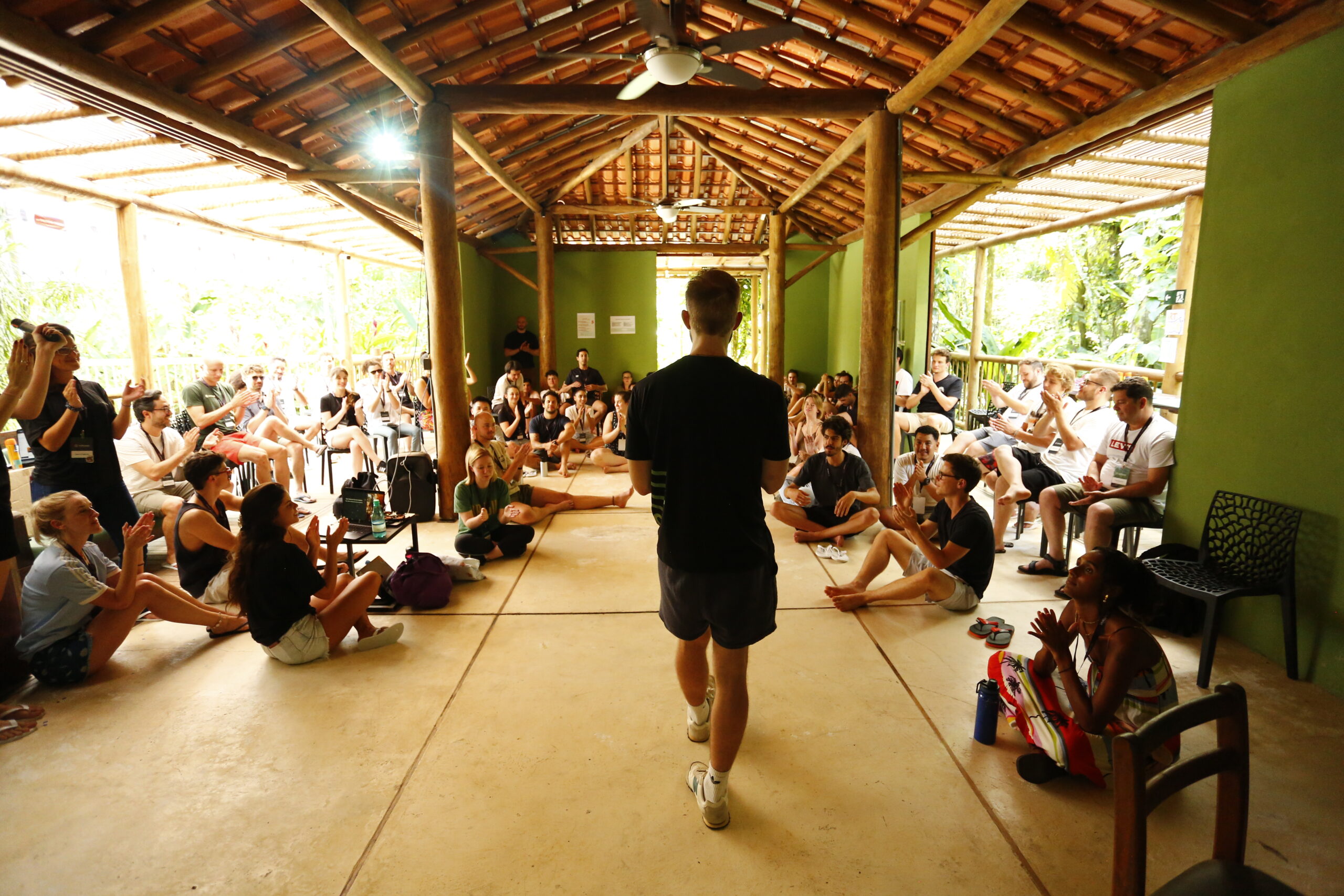
Image 4: InPlanet global offsite in Ubatuba, Brazil: building trust in distributed teams. Here InPlanet’s team aligned on priorities, shared key updates, and created space to challenge ideas and strengthen cross-team collaboration.
4. Remote-First Is a Design Problem
Remote work is neither uniformly better nor worse. In my view, it depends entirely on how it is designed. At InPlanet, it is a deliberate choice, one we made consciously as we built the company. If we were to prioritize autonomy without alignment, we would create fragmentation. If we prioritized control without trust, we would lose speed. I have seen both dynamics play out in different organizations, and neither supports the kind of execution we need.
We treat remote-first as an operating system built around:
- Autonomy, ownership and individual responsibility at the core
- A clear cadence and time-zone overlap to execute well
- In-person connection to rebuild context and cohesion
- Leadership close enough to operations to remove friction
To scale enhanced rock weathering, work with farmers on the ground in Brazil, and integrate science and delivery across Germany and Latin America, we need speed, trust, and resilience. Remote-first helps us achieve that.
Not because it is fashionable, but because it works when designed properly.
