

All Soil Was Once Rock

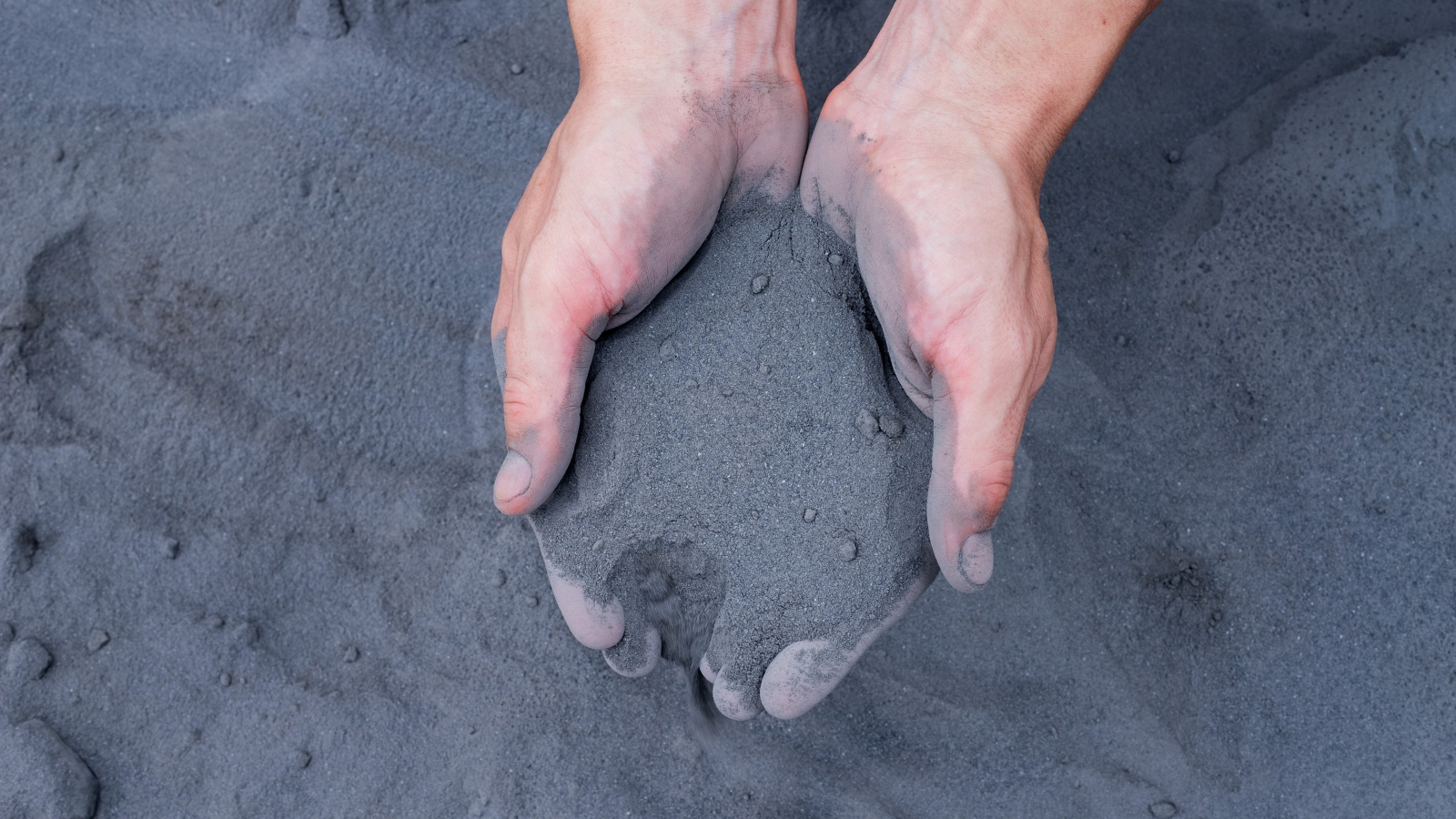
Disclaimer: For accessibility to a broader audience, this article uses the term “basalt rock powder” rather than the more technical term “remineralizer.” While the article focuses on basalt, reflecting InPlanet’s extensive expertise with this material, we encourage the use of any rock powder officially registered as a remineralizer by Brazil’s Ministry of Agriculture and Livestock (MAPA).
There is one sentence I return to whenever enhanced rock weathering begins to sound more complicated than it really is: All soil was once rock.
As a co-founder of InPlanet, I spend much of my time in conversations about technical details, mineralogy, soil chemistry, buffer pools, etc. That scientific rigour is essential. But the deeper I go into the science, the more convinced I become that the power of enhanced rock weathering can be understood in a much simpler, more intuitive way.
Long before soil could sustain forests, farms or cities, there was rock. Over immense periods of time, heat, water, wind and biology broke that rock down, released its minerals and helped create a precious, thin, fertile layer on which all terrestrial life depends. (As a reference for how precious a resource soil is, note that it represents only ~0.00001% of Earth's volume.)
Weathering is one of Earth’s most powerful processes. It builds soil, releases nutrients and regulates the carbon cycle over geological time. Yet there is a paradox at its heart: weathering is extraordinarily slow.
For us humans, who experience the world within the blink of an eye of planetary history, that timescale is almost impossible to grasp. We struggle to imagine processes that unfold over thousands or millions of years, processes so slow that, within a human lifetime, their effects can appear almost invisible.
Enhanced rock weathering tries to make this hard-to-grasp process more immediate and tangible. It asks a simple question: what if we could work with this natural process, while accelerating it to meet the urgency of our time?
Compressing geological time
Imagine a block of basalt, roughly a cubic meter, exposed to the elements. During a human lifetime, the changes would be almost imperceptible. The rock might crack here and there superficially, but the rock itself would persist for many thousands of years until finally all its potential to produce soil and remove carbon are unlocked.
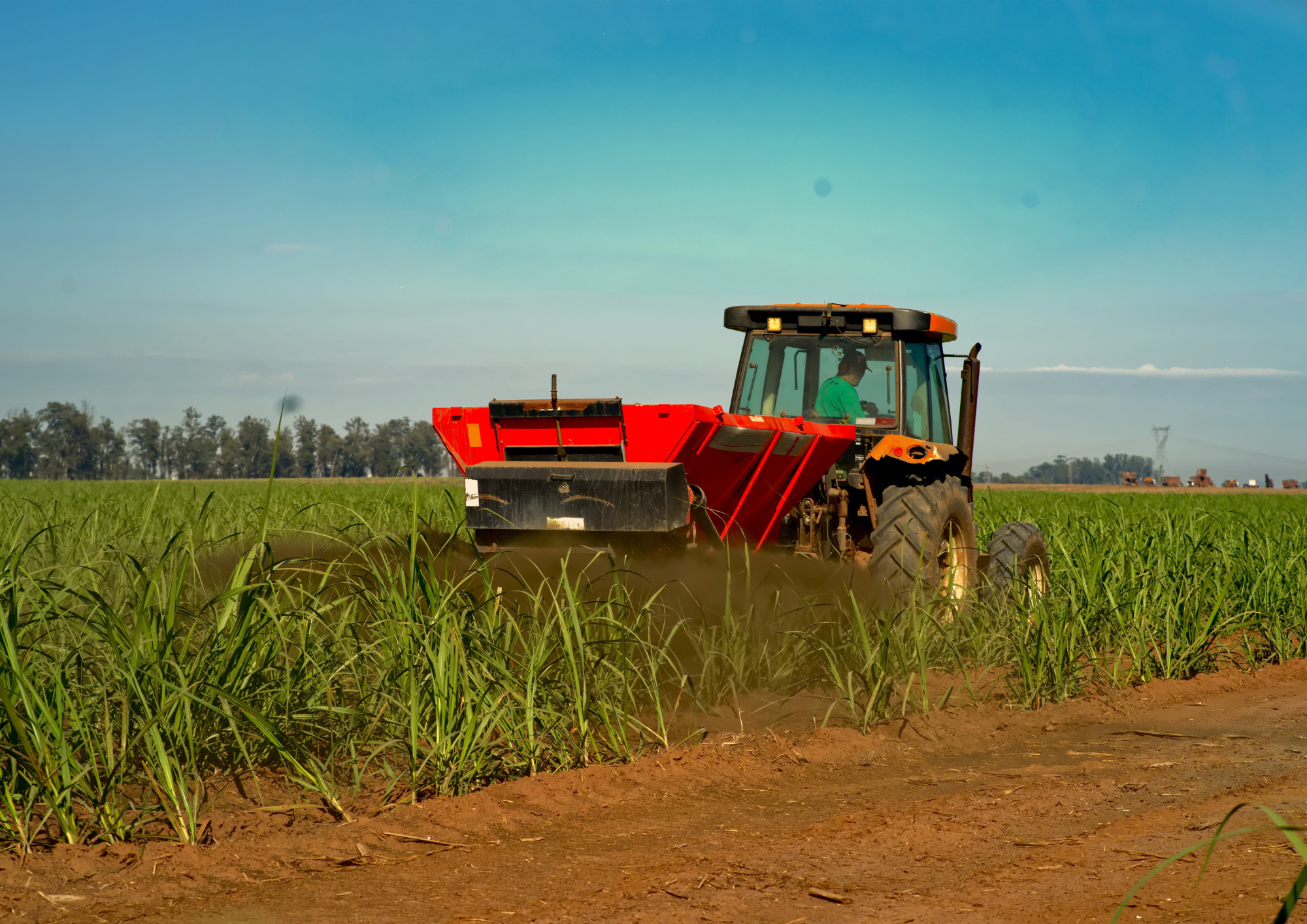
Now imagine that cubic meter of basalt ground into a fine powder and carefully applied to agricultural soil. Grinding increases the surface area available to water, plants and organisms. Especially under the warm and wet conditions found across much of the tropics, weathering can then occur far more quickly, with meaningful reactions taking place over a few years rather than geological eras.
This is the essential logic of enhanced rock weathering: we are not inventing a new planetary process. We are helping Earth’s most important climate regulator to move faster, more efficiently, at the speed our climate today needs to recover.
I personally like to describe InPlanet as a “soil-producing factory” because, at its core, that is what we are doing. The rock powder we spread is eventually transformed into fresh, fertile soil. In the process, it supplies essential minerals while removing carbon dioxide from the atmosphere. This way, one process can contribute to several outcomes at once: climate action, more resilient agriculture and long-term food security.
Why basalt?
The rock beneath a landscape profoundly influences the soil above it. Climate, biology, topography and land management all shape how soils develop, but the underlying bedrock provides the most important foundation that ultimately determines the key characteristics of the resulting soil.
Basalt is particularly compelling because it is both mineral-rich and comparatively reactive. As it weathers, it can release elements such as calcium and magnesium and generates soils with a favorable nutrient-retention capacity. At the same time basalt has a very low concentration of potentially toxic elements and, in most locations, can be applied at a relatively high frequency and quantity per hectare. Around the world, basaltic landscapes are associated with some of the most productive agricultural regions - from Brazil's Paraná Basin to volcanic areas in Java, Hawaii and the highlands around Quito. As a comparison let’s consider granite. This rock type commonly results in sandier soils with lower nutrient-retention capacity.
Today, basalt is predominantly used in civil engineering and road construction. Its immense potential for agriculture, specifically for regenerating tropical soils, is only just beginning to be unlocked. Naturally, many within the agricultural sector remain skeptical. Modern farming is largely built on the logic of highly soluble, synthetic fertilizers, making it a mental leap to accept that a slow-release, natural rock powder could be a transformative soil amendment.
However, what we see firsthand in our projects is that these two approaches don't have to compete; in fact, they can leverage each other. A soluble fertilizer delivers key nutrients immediately. Basalt, on the other hand, is a foundational long-term investment. It acts as a slow-release fertilizer, continuously regenerating the soil's functions and providing sustained benefits for years. In consequence, when applied in combination with regenerative practices, this generates opportunities to reduce and substitute conventional inputs over time.
The tropical paradox
The tropics are where this story becomes especially powerful.
Many tropical soils are extremely old and exhausted. Over millions of years, heat, rainfall and intense biological activity have gradually depleted these soils, leaching away much of the mineral fertility that the underlying rock initially held. What remains is often dominated by sand and minerals that simply cannot release their nutrients.
This is often framed as a mere disadvantage. But for InPlanet and enhanced rock weathering, it creates a major opportunity: the very forces that have depleted these soils can also help to create a meaningful, positive impact.
When fresh basalt powder is applied to a suitable, highly weathered tropical soil, the same constant heat and rainfall that contributed to its depletion can help drive exceptionally fast and efficient weathering reactions. The tropical climate becomes an accelerator, further enhancing the natural process and increasing its positive impact. At the same time, the soil’s mineral depletion creates the potential for a more meaningful agronomic response. What was once a weakness becomes an opportunity: something as simple as basalt rock powder can help restore depleted soils, support crop productivity and give farmers a powerful tool to build more resilient agricultural systems.
This helps explain why the effects of basalt can be particularly visible in the tropics. While younger soils in parts of the Northern Hemisphere may still contain relatively fresh minerals from recent glacial or geological processes, old tropical soils have often lost much of their mineral fertility. Introducing rock powder can therefore have a far more meaningful impact.
But there is a caveat to this story! As mentioned in the disclaimer it is important that we are working with certified, high quality products, in Brazil called “remineralizer”. Every remineralizer is a rock powder, but not every rock powder can be a remineralizers. The rock needs to be characterised and positively tested as suitable for agriculture; application rates must match the soil, crop and local conditions; and both carbon removal and potential risks must be measured and monitored carefully. Enhanced rock weathering reaches its full potential when climate science and agronomy work hand in hand.
In case you want to deep dive about the many benefits of rock powder application on tropical soils, I recommend the following read about the latest publication from our science team: Link
An ancient partnership between microbes and minerals
Finally, there is another dimension to this story that I find deeply inspiring.
When early life began to colonise land, it encountered little more than bare rock. There were no fertile soils waiting to sustain it. Instead, early organisms learned to draw nutrients directly from the minerals around them, gradually breaking down rock and transforming it into life.
In this sense, minerals were among the earliest forms of nutrition available to life on land. The availability of fresh minerals has been a fundamental driver of biological activity and growth throughout Earth's history. What appears to us as a lifeless medium (rock) can, through weathering, become the foundation for an explosion of biological activity.
This ancient relationship is important to understand when we think about what happens when we introduce fresh basalt into depleted agricultural soils. We are not simply adding a list of chemical elements. We are reintroducing mineral material into an ancient biological partnership, giving the soil something it recognises, interacts with and can transform into new life.
This is one of the reasons I believe enhanced rock weathering is more than a carbon-removal technology. At its best, it is an act of alignment: between geology and biology, between climate action and agriculture, and between the timescale of nature and the urgency of human need.
Working with nature, at the speed this moment requires
Let’s take a moment and recap the main insights of this article:
Rock becomes soil and enables life.
Basalt can become especially fertile soil.
Many tropical soils have lost much of their fresh mineral fertility.
Returning basalt to those soils can support their regeneration, while also removing carbon dioxide!
Understanding these basic principles is key to appreciating why enhanced rock weathering has the potential to become such a powerful tool for both farmers and climate action.
The climate challenge often pushes us towards a false choice between technological ambition and natural systems. Enhanced rock weathering shows that the two can reinforce one another. We have the opportunity to harness a beautiful natural process that has shaped the Earth and helped regulate its climate for billions of years.
Our role is not to reinvent this process, but to understand it deeply, accelerate it responsibly and measure its impact with integrity.
Latest Posts
InPlanet and Idemitsu Americas Holdings Close Non-Recourse Debt Facility, Setting a New Standard for Financing ERW Carbon Removal
The transaction secures capital against contracted, insured delivery of durable removals, proof that high-integrity projects can now access scalable debt beyond equity.

InPlanet selected as the Brazilian supplier in Whirlpool Corporation's durable carbon removal portfolio
Structured by ClimeFi, the agreement pairs a firm 2030 delivery with standalone options, expanding Enhanced Rock Weathering across Brazil's agricultural heartland.
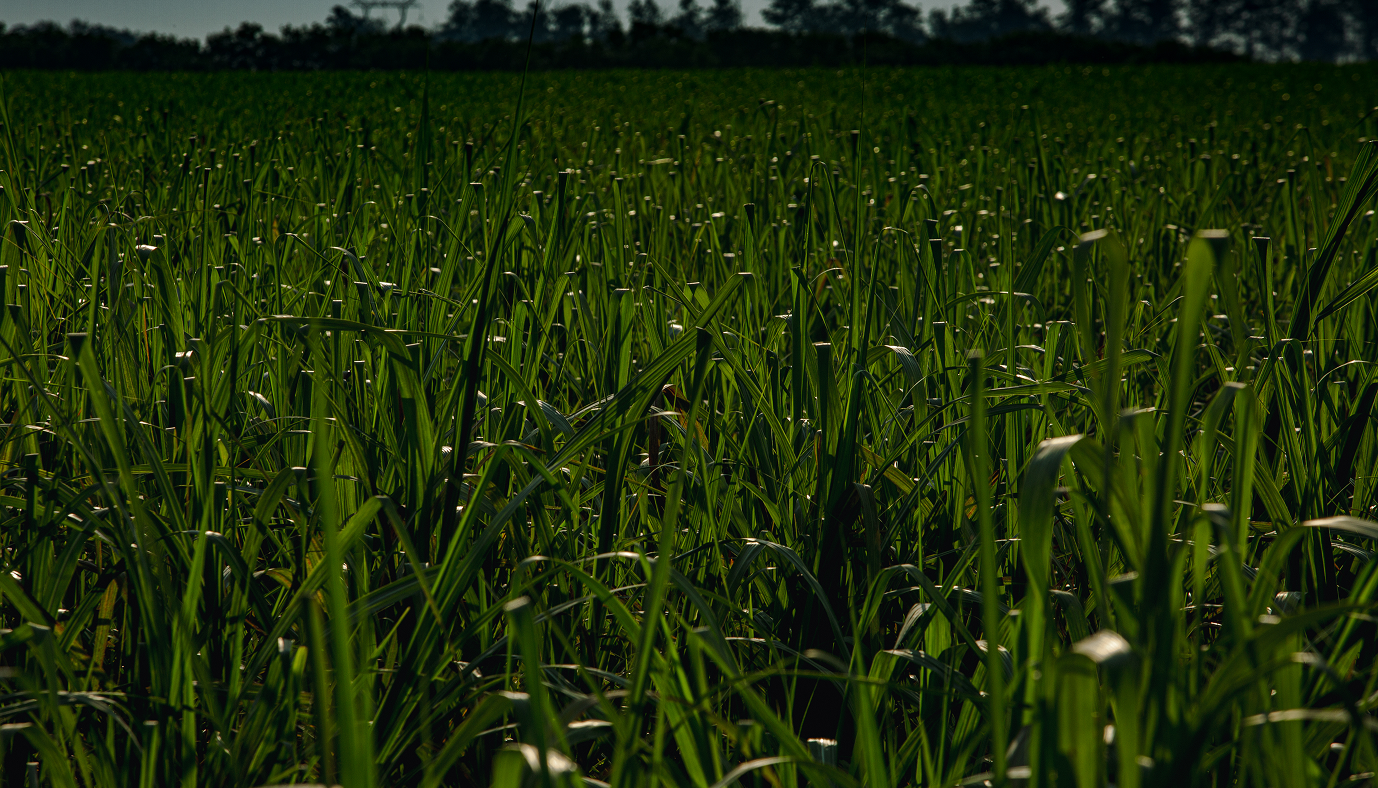
Agronomic Benefits of Basalt Rock Powder on Sugarcane: Insights from Project Serra da Mantiqueira
Field results from Project Serra da Mantiqueira show how Enhanced Rock Weathering can improve soil health while enabling durable carbon removal.
From Field to Credits: Inside the World's First Second-Year Enhanced Rock Weathering Credit Issuance
A recap of our webinar exploring MRV for enhanced rock weathering, and what two years of data from Serra da Mantiqueira tell us about the accuracy, durability, and scalability of ERW as a carbon removal pathway.